What Makes Email Content Actually Get Opened and Read depends on sender identity, subject line, relevance, mobile formatting, timing, and measurable engagement. Sender identity is especially important: 64% of subscribers say who an email is from is their biggest reason for opening it. Clear copy, audience-aware personalization, testing, and clicks or conversions provide stronger evidence than opens alone.
- 64% of subscribers say who an email is from is their biggest reason for opening it.
- 35% of recipients open an email based on its subject line alone.
- Subscribers spend an average of 8.97 seconds with an email.
- Apple Mail Privacy Protection can make all received emails appear opened.
- A follow-up is recommended after 1–2 hours for abandoned carts, with another hours later.
What Makes Email Content Actually Get Opened and Read: Which factors—such as sender name, subject line, preheader text, and send time—most affect whether an email gets opened?
What Makes Email Content Actually Get Opened and Read starts with the inbox preview: sender name, subject line, and preheader text work together before the recipient sees the message. Sender identity matters most in the available evidence: 64% of subscribers say who an email is from is their biggest reason for opening it. A HubSpot test also found that “Maggie Georgieva, HubSpot” outperformed the generic “HubSpot” sender name for open rates and click-through rate.
Subject lines remain decisive because 35% of recipients open an email based on the subject line alone. Preheader text belongs in the same preview, but no specific preheader benchmark is available here. Timing matters too: 23.8% of opens occur in the first hour, while after hours there’s less than a 1% chance an email will be opened and read. Tuesday leads reported weekday rates at about 18%, Saturday reaches 18.3%, and evening opens are highest after p.m.
What Makes Email Content Actually Get Opened and Read varies by audience. Use individual historical engagement to guide delivery-time adjustments rather than treating a general schedule as universal. What Makes Email Content Actually Get Opened and Read is therefore the combination of recognizable identity, clear preview copy, and tested timing—not timing alone.

What subject-line and preheader length and wording tend to earn more opens without misleading recipients?
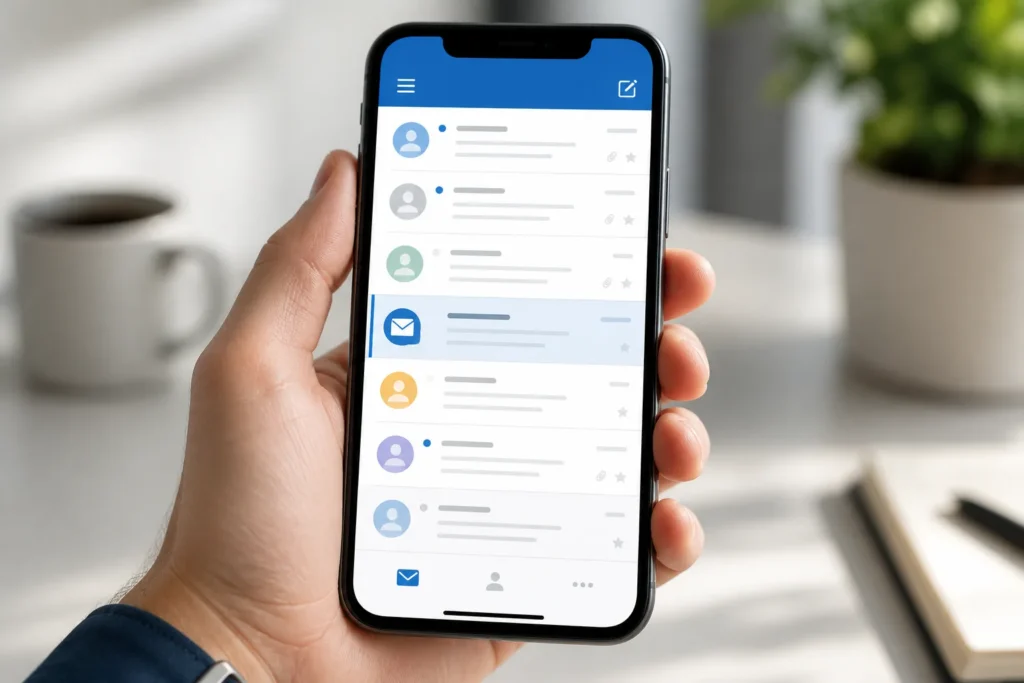
What Makes Email Content Actually Get Opened and Read in a crowded inbox is a concise, compelling subject line that gives the recipient a reason to continue. Vague wording may not earn an open, while unnecessarily long wording is discouraged. A cited Retention Science study found that subject lines with six to ten words averaged a 21% open rate. Another recommendation is to keep the line to a maximum of 40–50 characters so phones are less likely to cut it off.
What Makes Email Content Actually Get Opened and Read also depends on truthful curiosity: hint at what the message contains without revealing everything. Relevance can come from a recently browsed category or the recipient’s stage. Appreciative wording such as “thank you,” “thanks,” “please,” or “sorry” was associated with a 22.98% open rate in the reported Mixpanel example. Including a recipient’s name in the subject line was associated with a 2.6% lift in open rates.
What Makes Email Content Actually Get Opened and Read shouldn’t be confused with a promise the message can’t keep. Match the subject line, preheader, and body so the preview creates interest without misleading the recipient.
How long should an email be, and how should its content be formatted for readers on mobile devices?
What Makes Email Content Actually Get Opened and Read on mobile starts with restraint: keep the message no longer than necessary. Litmus reports that subscribers spend an average of 8.97 seconds with an email. Devices and operating systems can render text, images, and formatting differently, so use short paragraphs, left-aligned text, plain language, and a default font size.
What Makes Email Content Actually Get Opened and Read also requires a mobile-first structure. A single-column layout, tappable buttons, and body text of at least 14–16 pt are recommended for mobile-friendly email. Use whitespace around paragraphs, sentences of around words or fewer, and line height of 1.5 times the font size to support scanning. On smaller devices, increase the minimum font size from to pixels.
What Makes Email Content Actually Get Opened and Read should remain accessible when images don’t appear. Put the message in live text, add alt text to meaningful images, and don’t assume recipients will see included images.
How do audience relevance, segmentation, and personalization affect email opens and reading, and what recipient data is useful for tailoring messages?
What Makes Email Content Actually Get Opened and Read for one audience may not work for another. Segmentation means dividing contacts by demographic, behavioral, transactional, or declared criteria. Personalization adapts content, format, timing, or channel to a recipient or segment. Relevant email content can make recipients more likely to trust the message, while using a name may feel compelling to some people and creepy to others.
What Makes Email Content Actually Get Opened and Read improves when you collect useful preferences: what subscribers like, how often they want emails, and when they prefer to read them. Add observed behavior such as opens, clicks, purchases, site visits, abandoned carts, and inactivity. Combine declared preferences with behavioral data, using behavior to correct the initial profile over time.
What Makes Email Content Actually Get Opened and Read can be supported by segments based on interests, behavior, profile, purchase history, sign-up source, and location. Dynamic segments update as behavior changes. For marketing emails, sales emails, and one-to-one outreach, use recipient research and rapport rather than relying only on buyer personas. The ledger provides no separate performance figures for those email types.
How can marketers use A/B tests and engagement metrics to find out which email content performs best?
What Makes Email Content Actually Get Opened and Read can be learned through controlled testing. Email tracking means monitoring data from sent emails to support better-informed business decisions. Tracking systems may record opens, timestamps, dates, locations, IP addresses, devices, and link or attachment clicks.
What Makes Email Content Actually Get Opened and Read is easier to compare when you test two subject-line versions with small list segments, then send the winning version to the rest of the list. Change one variable at a time and track the result so you can identify what subscribers respond to. Start with two or three high-impact audience segments, measure them, and expand the structure only after learning from those results.
What Makes Email Content Actually Get Opened and Read shouldn’t be judged by opens alone. Measure link clicks, conversions, revenue per email, and unsubscribe rate, then use analytics and heatmaps to identify engaging elements. Mailchimp, HubSpot, and Klaviyo are reported tools for testing subject lines and tracking open and click rates.


How reliable are email open rates as a measure of reading, and how can privacy features or tracking pixels distort them?
What Makes Email Content Actually Get Opened and Read can’t be established by an open signal alone. A delivery receipt shows that an email reached the recipient’s server, but it doesn’t establish that the message was read. Microsoft Outlook may block images by default, preventing an open notification unless the user downloads pictures. Apple Mail Privacy Protection can make all received emails appear opened.
What Makes Email Content Actually Get Opened and Read is also harder to measure when tracking pixels are blocked. Third-party tools or extensions such as PixelBlock and Ugly Email can prevent email tracking. Open rates may therefore be inaccurate; trends and changes between emails are more useful for testing subjects, content, and send times.
What Makes Email Content Actually Get Opened and Read should be assessed with complementary signals, including link clicks, conversions, revenue, and unsubscribes. The ledger provides no specific guidance on email deliverability, spam folders, sender reputation, SPF, DKIM, DMARC, bounce management, read or return receipts, or image proxying, so their effects here are unknown.
How soon and how often should a sender follow up with people who do not open or click an email?
What Makes Email Content Actually Get Opened and Read after a missed open or click starts with timing. Unless the matter is urgent, wait at least a week before sending a follow-up. Give each follow-up new content and different wording instead of repeating the original message. A long chain of unanswered emails could be treated as spam and sent to junk.
What Makes Email Content Actually Get Opened and Read may require a different schedule for an abandoned cart: one follow-up is recommended after 1–2 hours, followed by another hours later. Automated rules can send a follow-up when someone doesn’t open an email. Repeated opens can also trigger an automatic phone reminder after three or more opens.
What Makes Email Content Actually Get Opened and Read is the practical aim for a Content Systems Desk workflow: research the recipient, draft useful and brand-appropriate copy, check the facts, adapt the message for the audience, and review engagement signals before revising the next email. No additional service or performance claims are available in the ledger.

Key Takeaways
- Use a recognizable sender name and a concise, relevant subject line.
- Design for mobile with short paragraphs, live text, whitespace, and tappable buttons.
- Combine declared preferences with behavioral data and update segments as behavior changes.
- Test one variable at a time, then compare clicks, conversions, revenue, and unsubscribes—not only opens.
- Follow up with new wording and content, while avoiding a long chain of unanswered messages.
Frequently Asked Questions
What are the types of emails?
The ledger doesn’t provide a list of seven email types.
Do Gen Z like newsletters?
The ledger provides no evidence about whether Gen Z likes newsletters.
Can someone see if I read their email?
Email tracking can show activity such as opens, but a delivery receipt only confirms arrival at the recipient’s server and doesn’t establish that the message was read.
What is the most hacked email?
The ledger doesn’t identify the most hacked email account or service.